
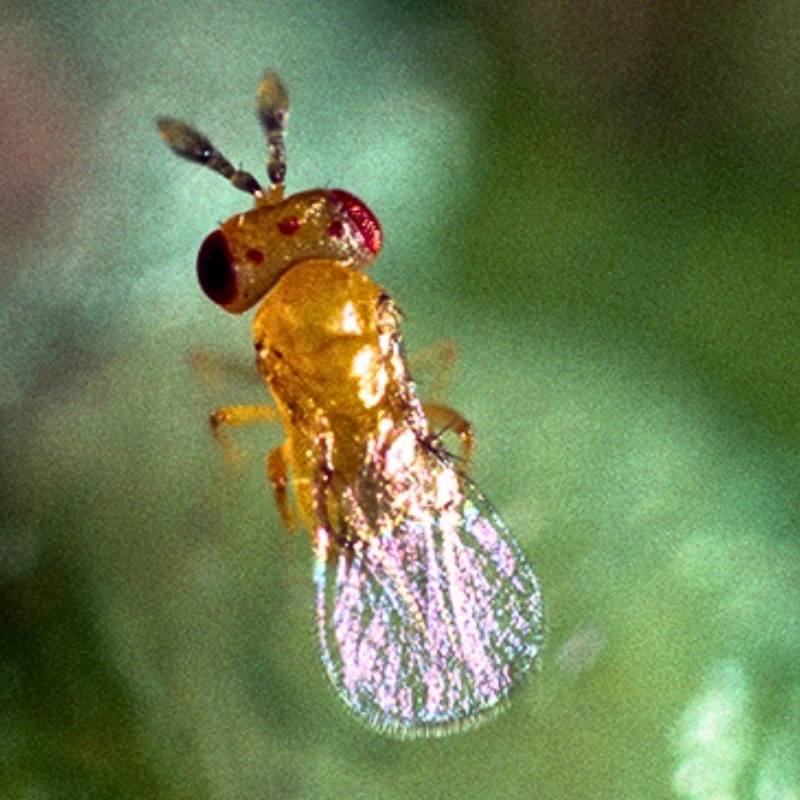
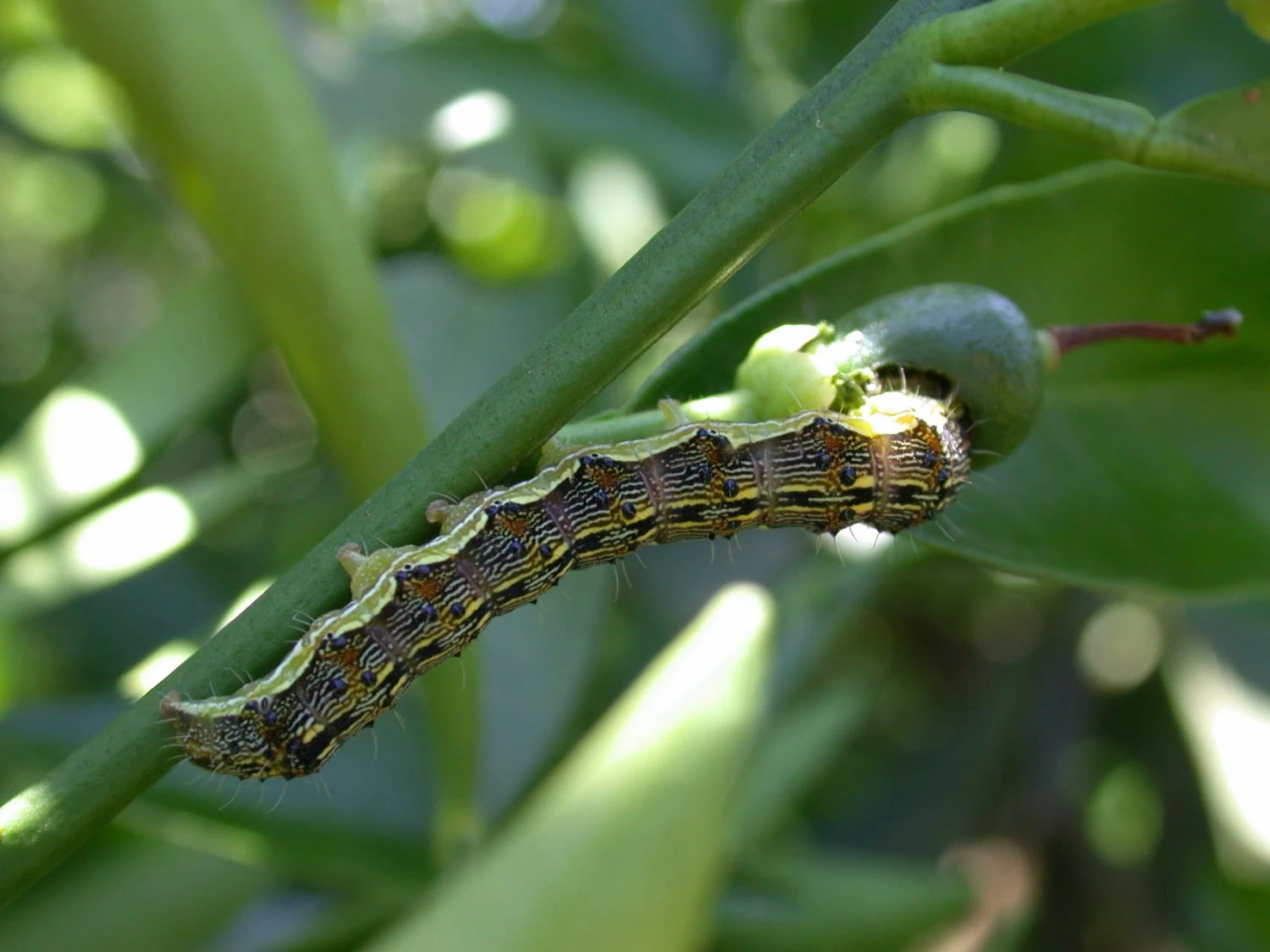
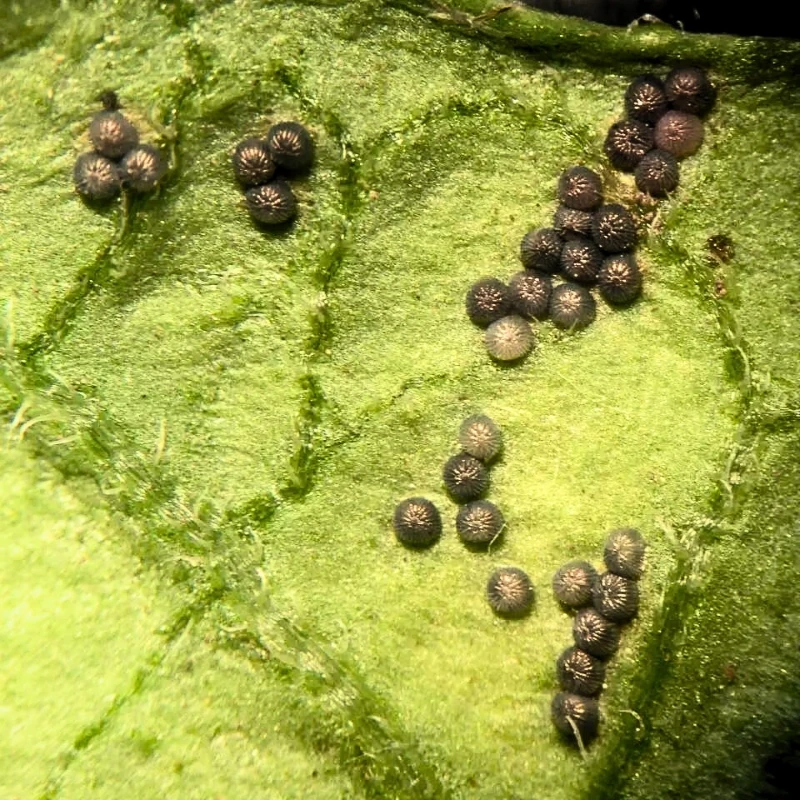
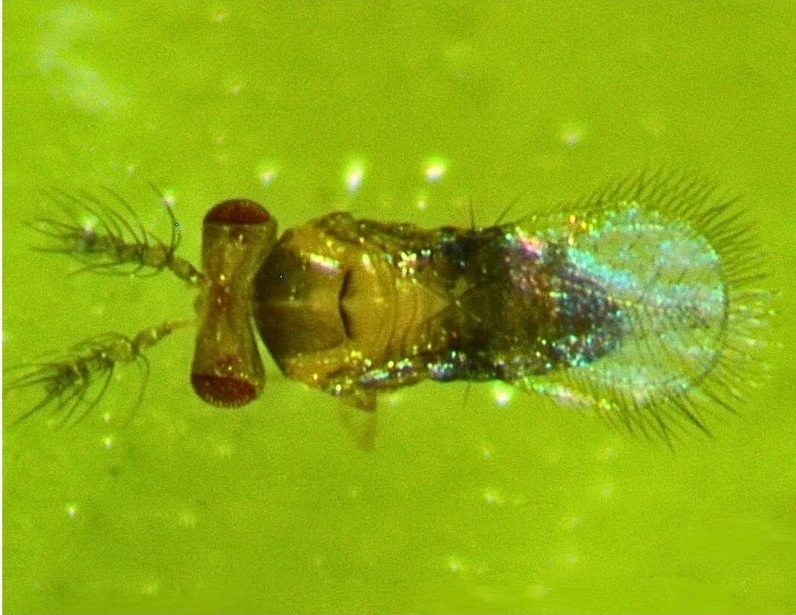
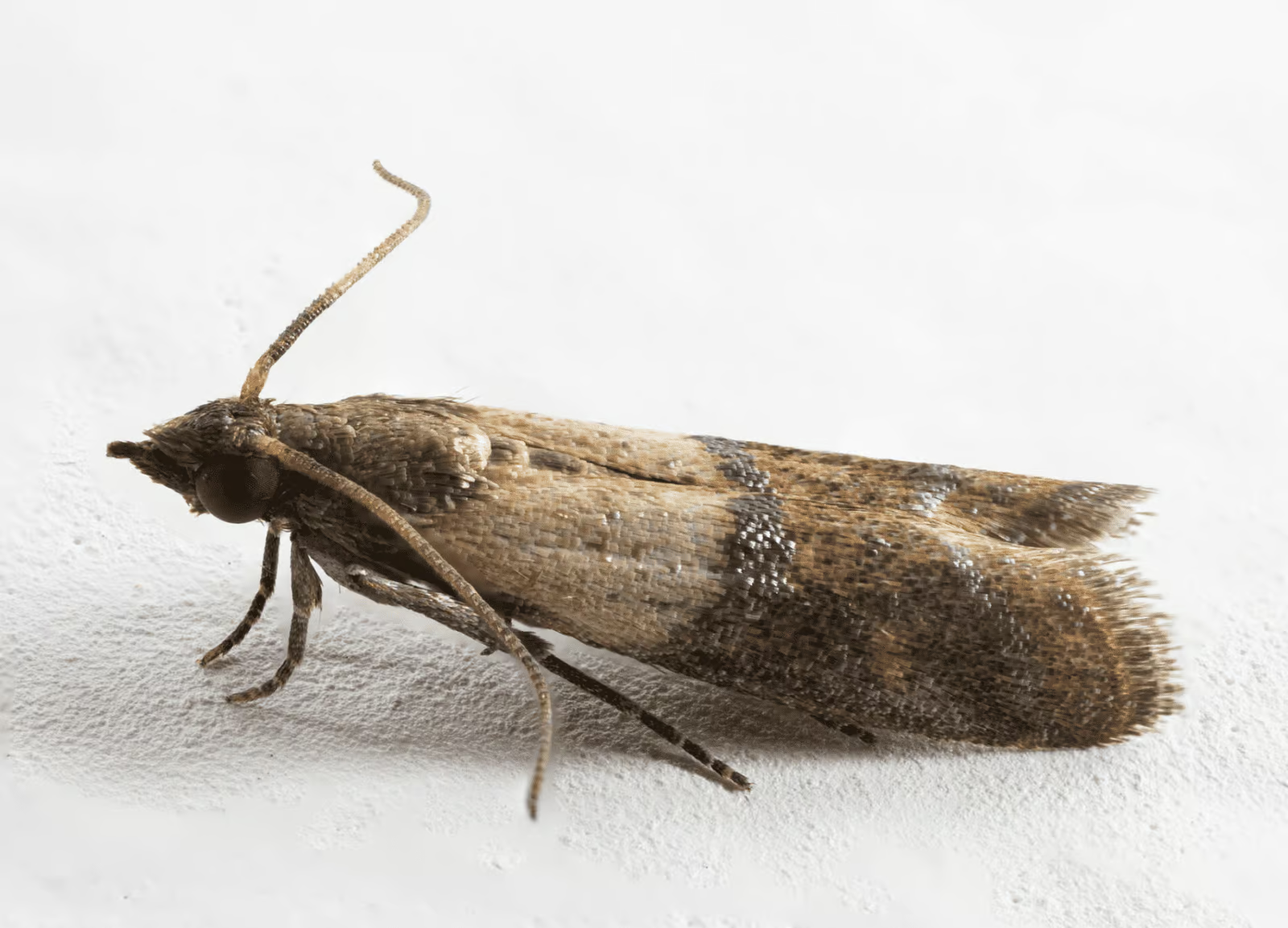
Trichogramma pretiosum beneficial insects for caterpillar egg control
Stop caterpillars before they hatch using natural Trichogramma pretiosum, reducing pesticide use while protecting crops, gardens, and beneficial insects.
Safely eliminate pantry moths naturally using tiny beneficial wasps that target eggs, preventing future infestations without chemicals or residues.
Contact us for Bulk Orders
We will send a Quote
Click → Quote Us
$39.99 – $69.99Price range: $39.99 through $69.99
Every caterpillar begins as an egg.
Instead of waiting until hungry larvae damage your crops, Trichogramma pretiosum works proactively by finding and parasitising pest eggs before they hatch. This tiny beneficial wasp is completely harmless to people, pets, wildlife, and plants, yet highly effective against many destructive caterpillar pests.
Whether you’re growing vegetables, berries, herbs, greenhouse crops, ornamentals or commercial horticultural crops, Trichogramma pretiosum provides an environmentally responsible solution that fits perfectly into Integrated Pest Management (IPM) programs.
Unlike conventional insecticides that kill both pests and beneficial insects, Trichogramma selectively targets pest eggs, preserving pollinators and other beneficial species while reducing chemical residues.
By releasing beneficial insects at the earliest stage of the pest life cycle, growers can dramatically reduce crop damage, improve yields, and minimise repeated insecticide applications.
Natural. Sustainable. Smart pest management.
Finding moths flying around your kitchen can be frustrating. Even after throwing away contaminated food and cleaning cupboards, pantry moths often return because tiny eggs remain hidden in cracks, shelves, and packaging.
Pantry Moth Wasps provide a smarter, chemical-free solution.
These microscopic beneficial insects naturally locate and destroy pantry moth eggs before they hatch, breaking the pest’s life cycle and preventing future infestations. Unlike sprays that only kill adult moths, Pantry Moth Wasps work where the real problem begins—at the egg stage.
Completely harmless to people, pets, and stored food, these tiny wasps quietly disappear once the pantry moth population is eliminated.
Protect your pantry naturally and enjoy long-lasting control without harsh chemicals.
✅ Prevents caterpillar damage before larvae emerge
✅ Reduces dependence on chemical insecticides
✅ Safe for bees, pollinators and beneficial insects
✅ Suitable for organic and sustainable production
✅ No chemical residues
✅ Compatible with IPM programs
✅ Targets numerous moth and caterpillar species
✅ Easy to release
✅ Helps delay pesticide resistance
✅ Safe around children, pets and wildlife
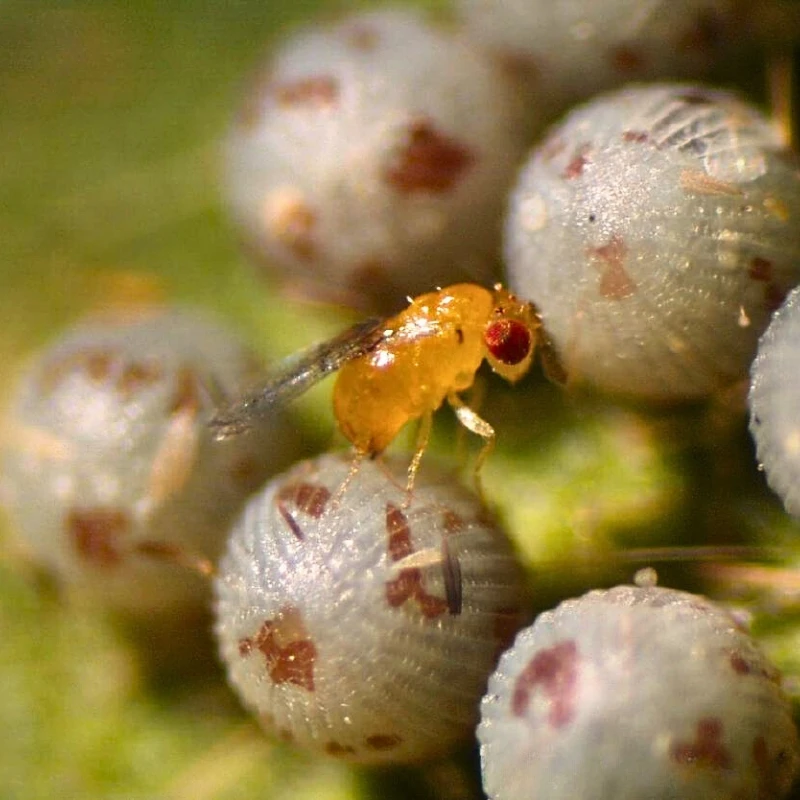
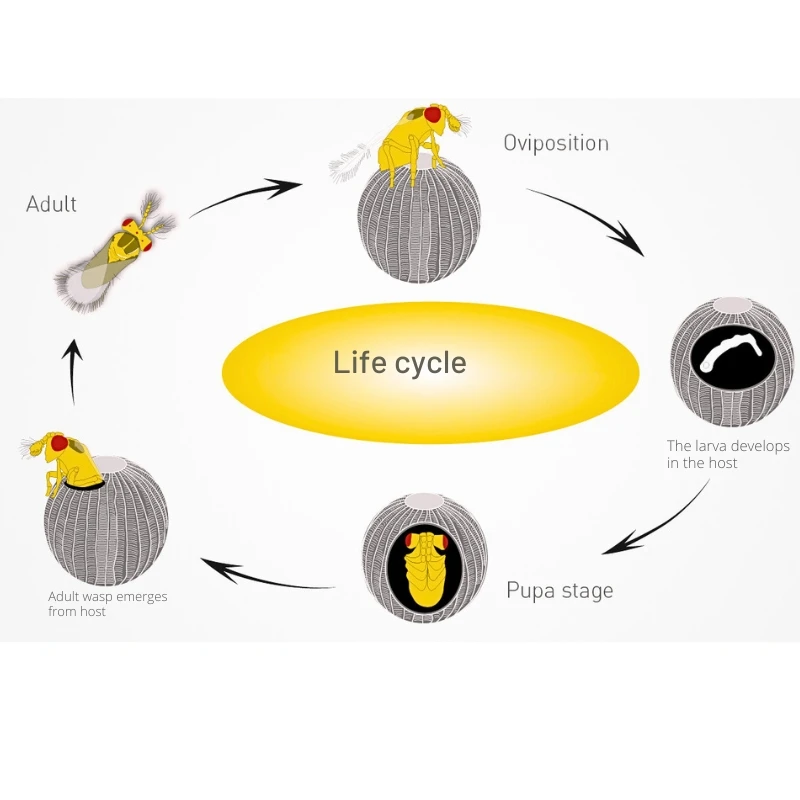
Trichogramma pretiosum females actively search for freshly laid moth and butterfly eggs.
Once located, they:
This naturally interrupts the pest lifecycle before crop damage begins.
A naturally occurring microscopic parasitic wasp used worldwide as a biological control agent against caterpillar pests.
Instead of controlling caterpillars after they begin feeding, Trichogramma pretiosum prevents the next generation from ever developing.
Early intervention means:
Ideal for:
| Feature | Details |
|---|---|
| Species | Trichogramma pretiosum |
| Type | Egg parasitoid |
| Target Stage | Pest eggs |
| Target Pests | Caterpillar and moth eggs |
| Release Method | Hanging release cards |
| Chemical-Free | Yes |
| Organic Compatible | Yes (subject to certification requirements) |
| Safe for Pollinators | Yes |
| IPM Compatible | Excellent |
| Component | Guaranteed |
|---|---|
| Live Trichogramma pretiosum parasitoids | Guaranteed viable at dispatch |
| Species purity | Quality controlled |
| Carrier | Biological release cards |
| Storage | Use immediately upon arrival |
| Feature | EcoBiom Trichogramma pretiosum | Conventional Insecticides |
|---|---|---|
| Prevents caterpillars before hatching | ✅ | ❌ |
| Kills beneficial insects | ❌ | ✅ |
| Safe for bees | ✅ | Often No |
| Chemical residue | None | Possible |
| Resistance development | Very low | High |
| Organic compatible | Yes | Usually No |
| Environmental impact | Low | Moderate to High |
| Worker re-entry restrictions | Minimal | Often required |
Research and commercial use worldwide have demonstrated that Trichogramma pretiosum can significantly reduce caterpillar populations when released early and repeatedly as part of an Integrated Pest Management program.
Published studies have reported:
Performance depends on pest pressure, timing of release, environmental conditions and crop management.
🐛 Pest lays eggs
⬇️
🟡 Trichogramma finds eggs
⬇️
🥚 Egg becomes parasitised
⬇️
❌ Caterpillar never hatches
⬇️
🌿 Healthy crop
🐝 Bee Safe
🌱 Chemical Free
♻ Sustainable
🛡 Preventive Control
🌏 Environmentally Friendly
👨🌾 IPM Compatible
Before
❌ Caterpillar damage
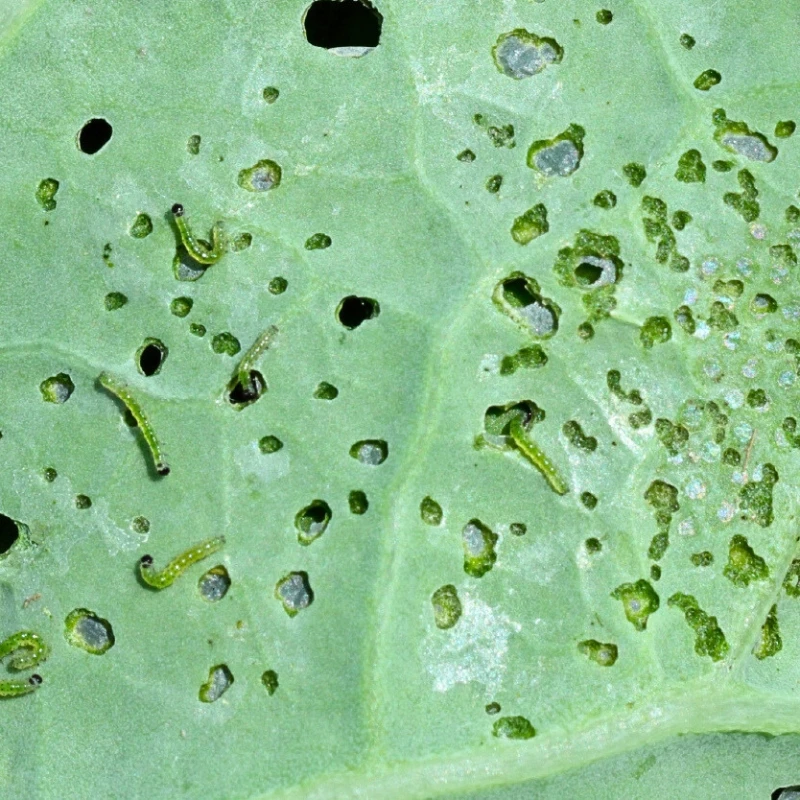
❌ Leaf chewing
❌ More spraying
❌ Lower yield
After
✅ Healthy foliage
✅ Reduced caterpillar numbers
✅ Fewer chemical sprays
✅ Improved crop quality
| Crop | Recommended Release |
|---|---|
| Brassicas | Weekly preventative releases during moth activity |
| Tomatoes | Weekly |
| Capsicums | Weekly |
| Cucumbers | Weekly |
| Eggplants | Weekly |
| Sweet Corn | Weekly |
| Cotton | Weekly |
| Herbs | Weekly |
| Berries | Weekly |
| Ornamentals | Weekly |
| Greenhouses | Weekly monitoring and release |
Release rates vary depending on crop, pest pressure and monitoring results. Contact EcoBiom for a customised IPM program.
EcoBiom partners with growers to deliver innovative biological crop protection solutions that improve productivity while reducing chemical reliance.
Transform Horticulture & Agriculture, home gardens through biological and sustainable solutions that reduce chemical dependence and improve profitability.
When you choose EcoBiom, you’re investing in:
It targets the eggs of many moth and caterpillar species before they hatch.
Yes. It specifically attacks pest eggs and is considered safe for bees and most beneficial insects.
Yes, subject to your organic certification requirements.
Typically weekly during periods of moth activity, depending on pest pressure.
It can significantly reduce insecticide use when integrated into an IPM program.
As soon as pest monitoring indicates moth activity or before egg laying begins.
No. These microscopic wasps do not sting humans or pets.
Yes. It performs very well in protected cropping systems.
Vegetables, berries, brassicas, tomatoes, capsicums, herbs, ornamentals, sweet corn, cotton and many greenhouse crops.
Avoid broad-spectrum insecticides as they may reduce beneficial insect survival.
Tiny beneficial insects that naturally destroy pantry moth eggs.
Yes. They do not contaminate food and leave no chemical residues.
No. They are microscopic and harmless to humans and pets.
Results vary depending on infestation level, but multiple releases usually provide the best long-term control.
Yes. Removing infested food and cleaning shelves improves biological control effectiveness.
No. Once pantry moth eggs disappear, the beneficial wasps naturally die out.
Avoid using chemical sprays near the release area, as they may kill the beneficial insects.
Yes. They are a natural biological control suitable for organic and sustainable pest management.
Only logged in customers who have purchased this product may leave a review.

In Stock
Select options This product has multiple variants. The options may be chosen on the product page
In Stock
Select options This product has multiple variants. The options may be chosen on the product page
In Stock
Select options This product has multiple variants. The options may be chosen on the product page
Sustainable Agriculture.
Smarter Solutions. Greener Future.
Sustainable Agriculture.
Smarter Solutions. Greener Future.
Reviews
There are no reviews yet.