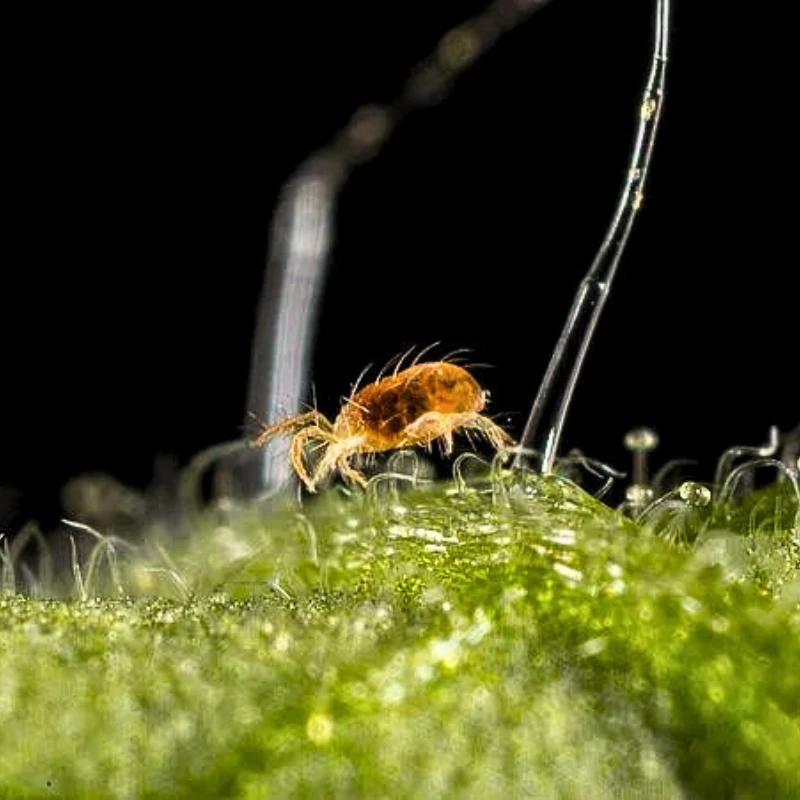
Californicus Predatory Mites – Nature’s Professional Spider Mite Controller
Spider mites are among the most destructive pests affecting vegetables, berries, ornamentals, indoor plants and commercial crops. They reproduce rapidly, damage leaves, reduce photosynthesis and weaken plant growth.
Instead of repeatedly spraying chemicals that often lead to resistance, Californicus Predatory Mites (Neoseiulus californicus) provide a natural, sustainable solution.
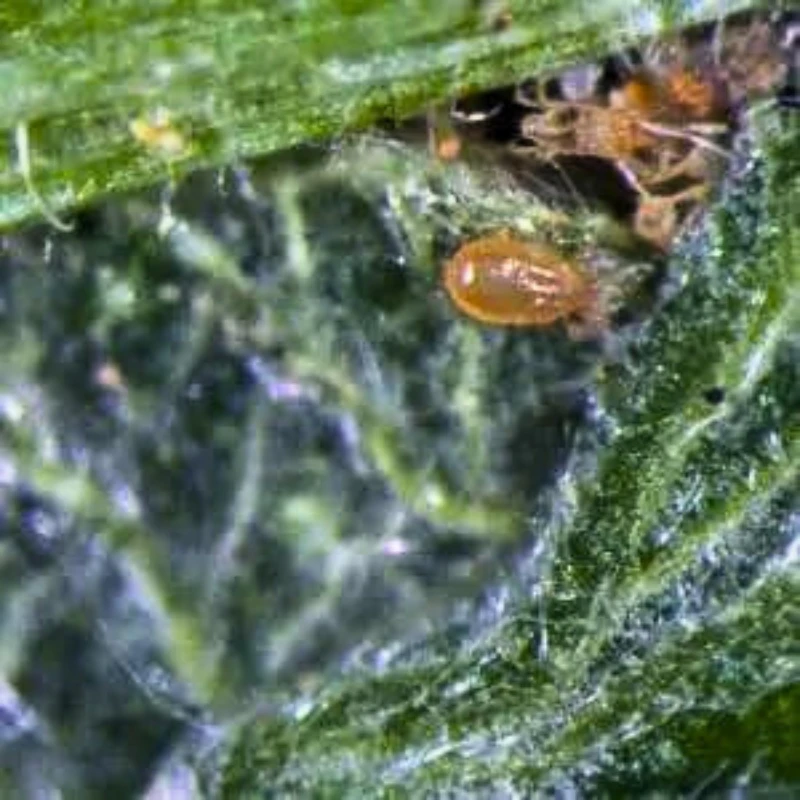
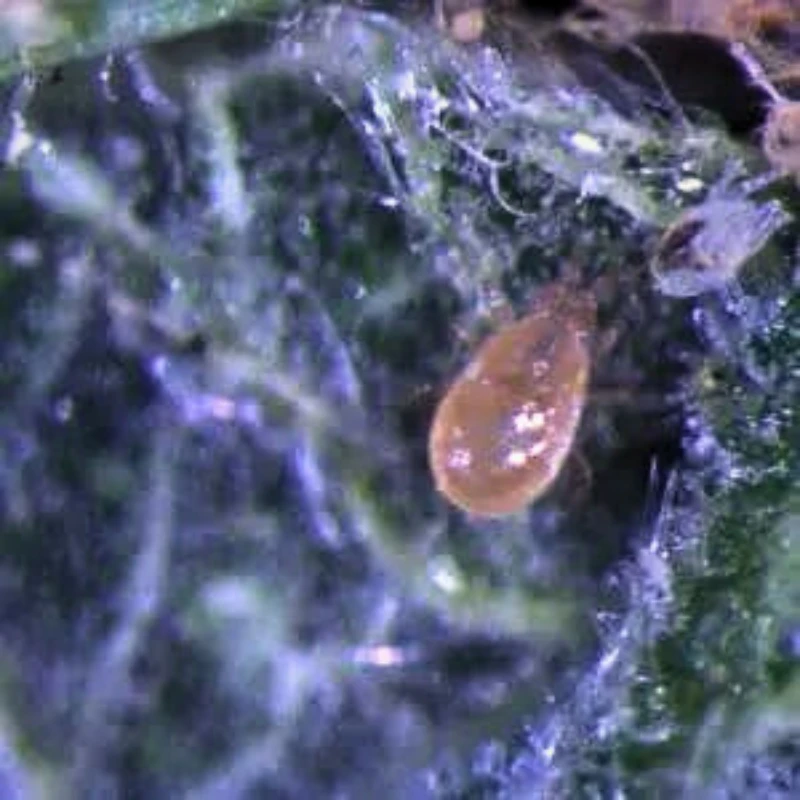
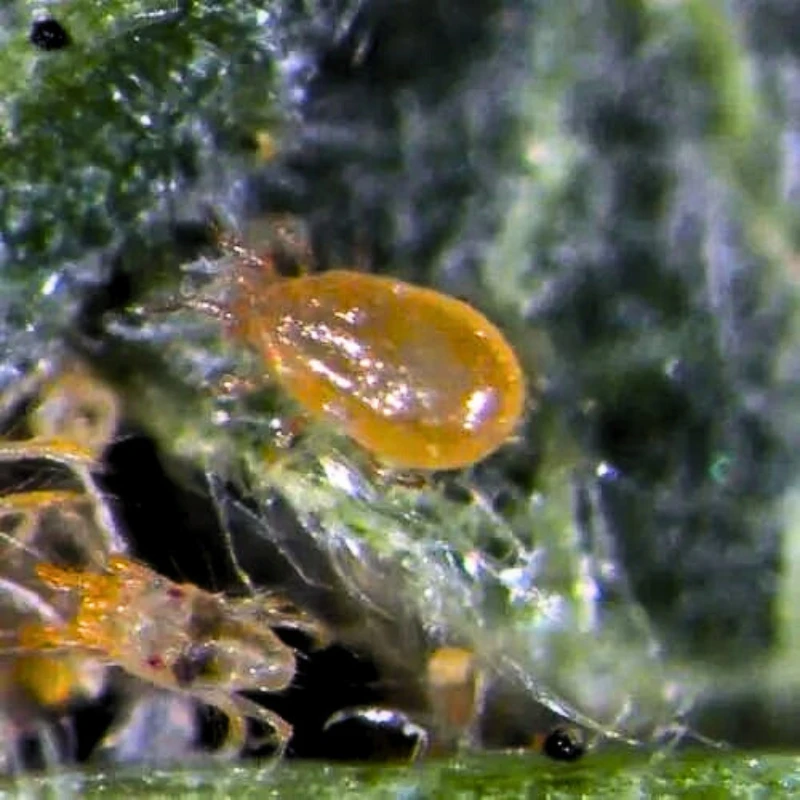
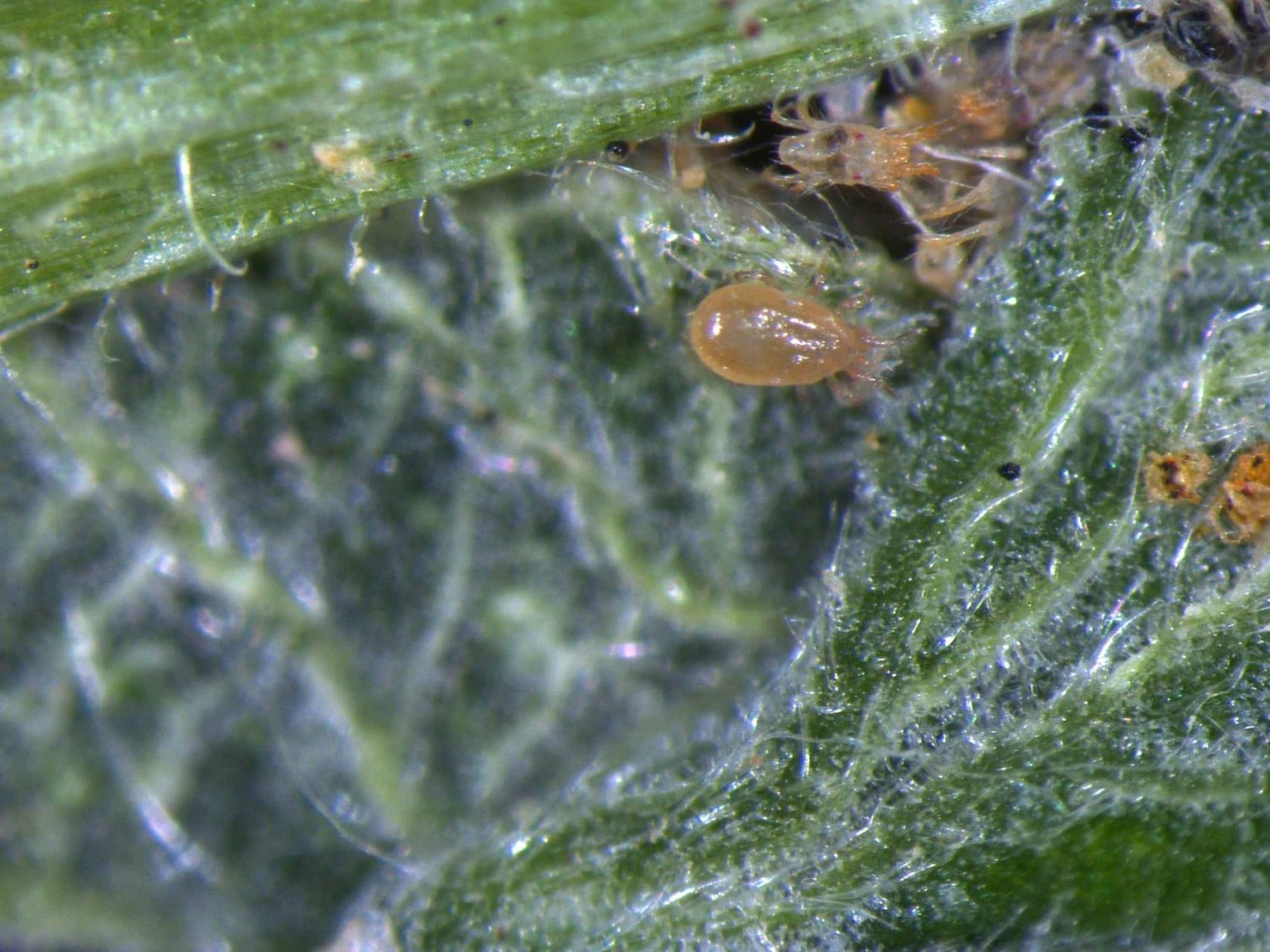
These beneficial mites actively search for spider mites, eggs and immature stages, reducing pest populations before serious damage occurs. Unlike many biological controls, Californicus survives well under warmer and drier conditions and can persist even when spider mite numbers are low by feeding on pollen and alternative food sources.
Whether you’re growing strawberries, tomatoes, cucumbers, capsicums, roses or indoor plants, Californicus works quietly around the clock to restore healthy plants without chemical residues.
Healthy plants begin with healthy ecosystems—and beneficial insects are one of the smartest investments you can make.
Key Benefits
✅ Naturally controls two-spotted spider mites
✅ Reduces chemical pesticide applications
✅ Safe around children, pets and beneficial insects
✅ Excellent preventative biological control
✅ Performs well under warm, dry conditions
✅ Continues surviving even when prey numbers decline
✅ Suitable for Integrated Pest Management (IPM)
✅ No chemical residue on produce
✅ Supports sustainable farming
✅ Easy to release
How It Works
Californicus is a beneficial predatory mite.
After release, it spreads across the crop and searches for:
- Spider mite eggs
- Young spider mites
- Adult spider mites
The predators feed continuously, slowing reproduction and reducing infestations naturally.
Unlike chemicals that only work for a short period, predator populations continue working as long as suitable conditions remain.
What It Is
A live beneficial predatory mite (Neoseiulus californicus) used worldwide for biological control of spider mites.
Why Use It
Because spider mites rapidly develop resistance to pesticides.
Californicus provides:
- sustainable control
- fewer spray applications
- healthier plants
- improved crop quality
- environmentally responsible pest management
Who It’s For
Ideal for:
- Commercial vegetable growers
- Berry growers
- Greenhouse producers
- Home gardeners
- Indoor plant collectors
- Hydroponic growers
- Nurseries
- Vineyards
- Ornamentals
- Rose growers
How to Use
- Inspect plants regularly.
- Release predators as soon as spider mites are detected or preventatively.
- Sprinkle carrier material onto leaves or use release sachets where applicable.
- Distribute evenly throughout the crop.
- Avoid broad-spectrum insecticides before and after release.
- Monitor predator establishment over the following weeks.
Specifications
| Feature |
Details |
| Scientific Name |
Neoseiulus californicus |
| Target Pest |
Spider mites |
| Life Stage |
Mixed |
| Type |
Live beneficial predator |
| Application |
Preventative & Curative |
| Best Temperature |
15–35°C |
| Humidity |
Moderate to high preferred |
| Shelf Life |
Use immediately after arrival |
| Storage |
8–10°C (short-term only) |
Guaranteed Analysis
| Component |
Guaranteed |
| Live Neoseiulus californicus |
Minimum labelled quantity |
| Carrier Material |
Bran/Vermiculite (supplier dependent) |
| Live Predator Viability |
Quality assured before dispatch |
Comparison Table
| Feature |
Californicus |
Chemical Miticides |
| Natural |
✅ |
❌ |
| Chemical Residue |
None |
Yes |
| Resistance Risk |
Very Low |
High |
| Safe for Pollinators |
✅ |
Often No |
| Long-Term Control |
✅ |
Limited |
| Preventative Control |
Excellent |
Poor |
| IPM Compatible |
✅ |
Limited |
| Safe on Edible Crops |
✅ |
Restricted withholding periods |
Scientific Trial Data
International biological control programs have demonstrated that Neoseiulus californicus successfully suppresses two-spotted spider mite populations in:
- Strawberries
- Cucumbers
- Capsicums
- Tomatoes
- Ornamentals
- Greenhouse crops
Research has shown Californicus establishes well under warm conditions and remains effective longer than many predatory mite species because it survives on pollen and alternative food sources when pest populations decline.
Natural Pest Control Cycle
🔍 Detect Spider Mites
↓
🐞 Release Californicus
↓
🥚 Predator Eats Eggs
↓
🕷 Controls Spider Mites
↓
🌿 Healthier Plants
↓
🌎 Reduced Chemical Use
Comparison
🌿 Chemical Free
🛡 Long Lasting
🐞 Beneficial Predator
🍓 Food Safe
♻ Sustainable
🌎 Eco Friendly
Before / After
Before
❌ Leaf bronzing
❌ Webbing
❌ Reduced growth
❌ High chemical use
↓
After
✅ Healthy foliage
✅ Reduced mites
✅ Better crop quality
✅ Sustainable production
Application Rate Guide
| Crop |
Preventative |
Curative |
| Strawberries |
25–50 mites/m² |
100 mites/m² |
| Tomatoes |
25–50 mites/m² |
100 mites/m² |
| Cucumbers |
25–50 mites/m² |
100 mites/m² |
| Capsicums |
25–50 mites/m² |
100 mites/m² |
| Roses |
25 mites/m² |
75–100 mites/m² |
| Ornamentals |
25–50 mites/m² |
75–100 mites/m² |
| Indoor Plants |
Release evenly over affected plants |
Increase release for heavy infestations |
(Actual release rates should be adjusted based on monitoring, crop density, infestation level and supplier recommendations.)
Why Choose EcoBiom
Growing Naturally. Protecting Sustainably.
At EcoBiom, we believe healthier plants begin with healthier ecosystems.
Our carefully selected biological control products help growers and gardeners reduce chemical dependence while improving plant health, crop quality and long-term sustainability.
Our Mission
Transform Horticulture & Agriculture, home gardens through biological and sustainable solutions that reduce chemical dependence and improve profitability.
FAQs
1. What pests do Californicus Predatory Mites control?
They primarily feed on two-spotted spider mites and related spider mite species.
2. Are Californicus mites safe around pets?
Yes. They are harmless to people, pets and beneficial insects.
3. Can they replace chemical sprays?
In many situations, yes. They are an excellent biological alternative and fit well into IPM programs.
4. When should I release Californicus?
Release preventatively or at the first signs of spider mites for best results.
5. How long do they survive?
They establish on plants and continue feeding while food is available. They can also survive on pollen when prey is scarce.
6. Can I use them indoors?
Yes. They are widely used on indoor plants and greenhouse crops.
7. Do they bite humans?
No. They only feed on tiny pest mites.
8. Can I use pesticides with Californicus?
Avoid broad-spectrum insecticides before and after release, as these may harm the beneficial mites.
9. What crops are suitable?
Strawberries, tomatoes, cucumbers, capsicums, ornamentals, roses, berries, indoor plants and many greenhouse crops.
10. Are they suitable for organic production?
They are commonly used in organic and sustainable farming systems, subject to your certification requirements.




Reviews
There are no reviews yet.