Montdorensis Predatory Mites – Nature’s Tiny Workforce Against Whiteflies
Whiteflies and thrips may be tiny, but the damage they cause can quickly reduce crop quality, plant health, and profits. Repeated chemical spraying often leads to resistance, disrupts beneficial insects, and increases production costs.
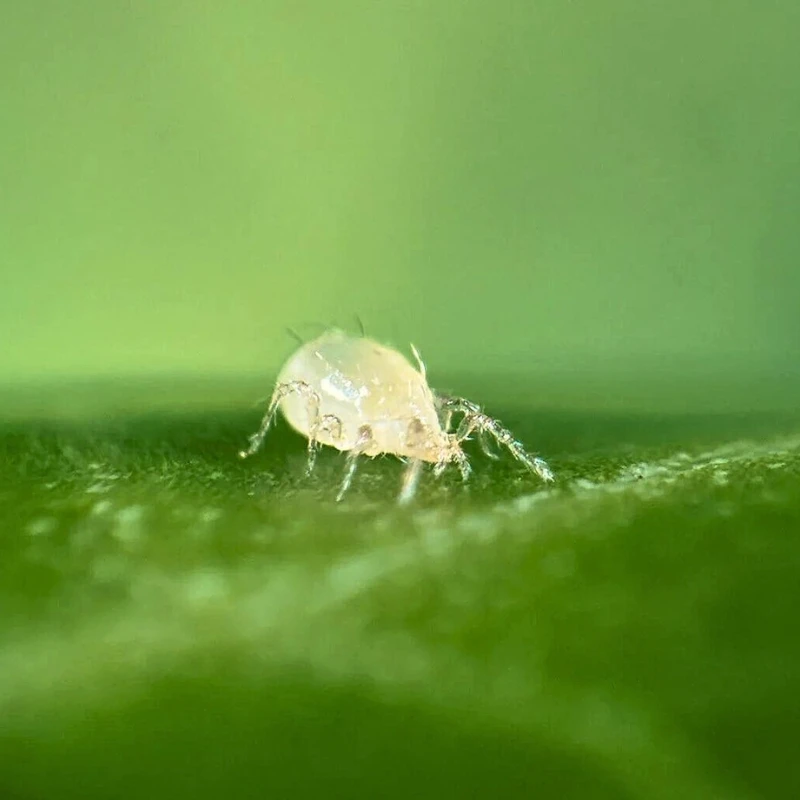
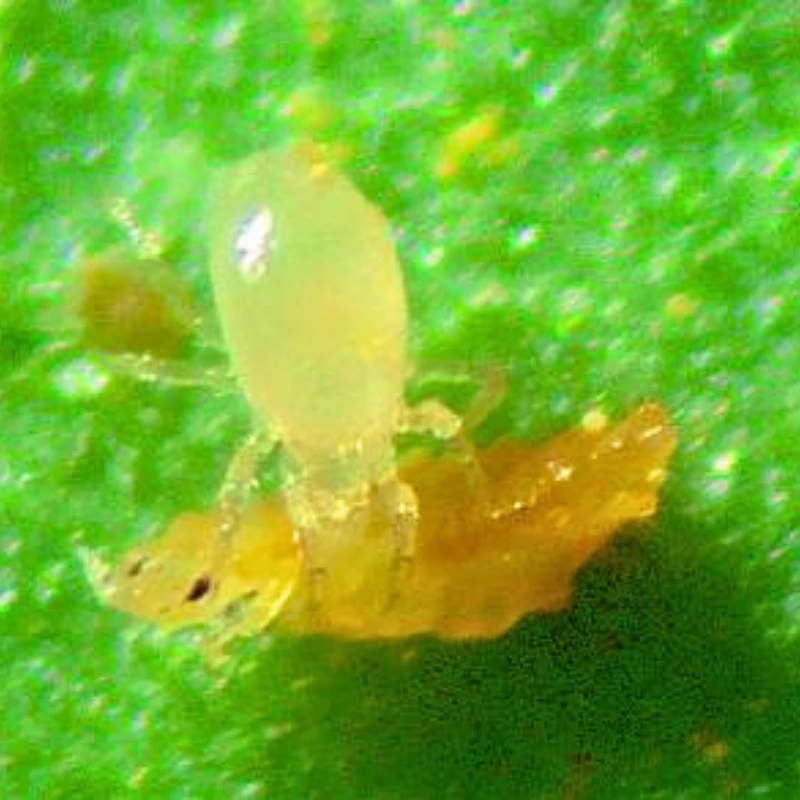
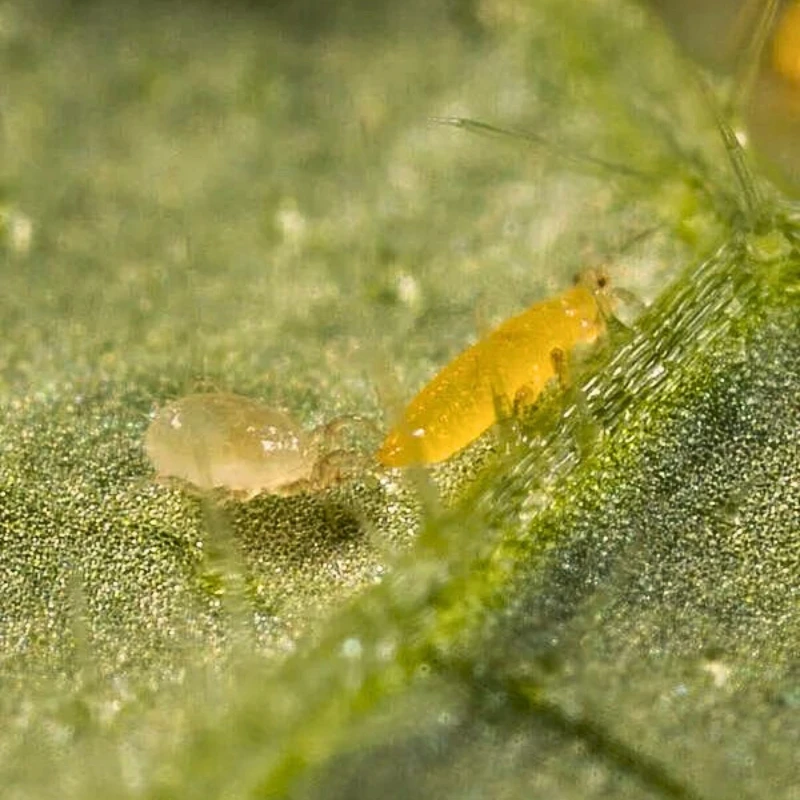
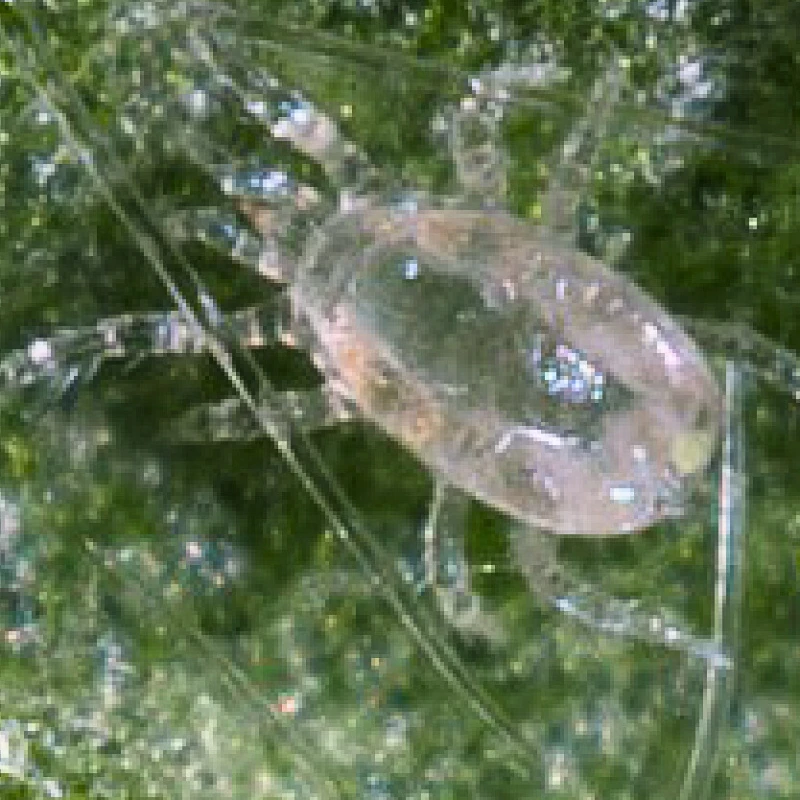
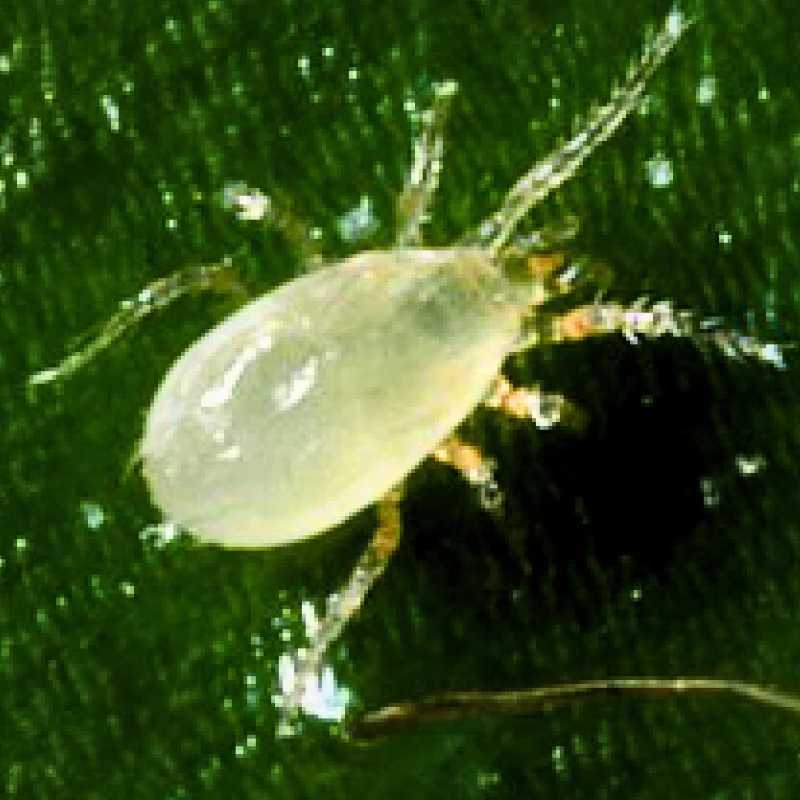
Montdorensis Predatory Mites (Typhlodromips montdorensis) provide a smarter, sustainable alternative.
These highly active beneficial mites naturally seek out and feed on whitefly eggs, young whitefly stages, thrips larvae, and other small pest species before populations explode. Once released, they establish within the crop canopy, continuously searching for prey day and night.
Unlike conventional pesticides, Montdorensis leaves no harmful chemical residues, is safe for pollinators and beneficial insects when used correctly, and supports a long-term Integrated Pest Management (IPM) program.
Whether you’re producing greenhouse vegetables, berries, ornamentals, herbs, nursery plants, or indoor crops, Montdorensis helps create healthier plants with fewer chemical inputs while improving sustainability and profitability.
Key Benefits
✅ Excellent biological control of whiteflies
✅ Feeds on thrips larvae
✅ Continues working 24/7
✅ No chemical residues
✅ Helps reduce pesticide resistance
✅ Safe for beneficial insects and pollinators
✅ Ideal for Integrated Pest Management (IPM)
✅ Establishes quickly in protected cropping
✅ Suitable for greenhouse and nursery production
✅ Supports sustainable agriculture
How It Works
Montdorensis mites actively patrol plant leaves searching for food.
They naturally feed on:
- Whitefly eggs
- Young whitefly nymphs
- Thrips larvae
- Broad mites (occasionally)
- Pollen when prey is limited
Because they reproduce within suitable crops, populations can continue providing biological control throughout the growing season when environmental conditions are favourable.
What It Is
A live beneficial predatory mite used for biological pest control.
Why Use It?
Instead of repeatedly spraying insecticides, Montdorensis naturally suppresses pest populations before they become damaging.
Benefits include:
- Reduced chemical applications
- Better resistance management
- Improved worker safety
- Cleaner produce
- Healthier crop ecosystem
Who It’s For
Ideal for:
- Commercial greenhouse growers
- Vegetable producers
- Berry growers
- Nursery operators
- Flower growers
- Hydroponic growers
- Protected cropping facilities
- Home gardeners wanting natural pest control
How to Use
- Release immediately after delivery.
- Apply during cooler parts of the day.
- Gently rotate container before opening.
- Evenly distribute mites throughout crop.
- Begin releases early before pest numbers become high.
- Repeat releases where monitoring indicates increasing pest pressure.
- Avoid applying broad-spectrum insecticides before or after release.
Specifications
| Feature |
Details |
| Product |
Montdorensis Predatory Mites |
| Scientific Name |
Typhlodromips montdorensis |
| Target Pests |
Whiteflies, Thrips larvae |
| Form |
Live predatory mites |
| Application |
Preventative & early curative |
| Suitable Crops |
Vegetables, berries, ornamentals, herbs, nursery |
| Growing System |
Greenhouse, shade house, protected crops |
| Chemical Residue |
None |
Guaranteed Analysis
| Component |
Guaranteed |
| Live Typhlodromips montdorensis |
Guaranteed viable at dispatch |
| Carrier Material |
Inert bran/vermiculite carrier |
| Chemical Additives |
None |
| GMO |
No |
Comparison Table
| Feature |
EcoBiom Montdorensis |
Conventional Insecticides |
| Controls Whiteflies |
✅ Yes |
✅ Yes |
| Controls Thrips Larvae |
✅ Yes |
Some products |
| Chemical Residues |
❌ None |
Yes |
| Resistance Development |
Very Low |
High |
| Safe for Beneficial Insects |
✅ Yes |
Often harmful |
| Safe for Pollinators |
✅ Yes |
Often harmful |
| Continuous Protection |
✅ Yes |
No |
| Repeat Sprays Required |
Low |
High |
| Environmental Impact |
Very Low |
Moderate-High |
Scientific Trial Data / Field Results
Research and commercial greenhouse experience have demonstrated that Typhlodromips montdorensis can successfully establish in protected cropping systems and significantly reduce populations of:
- Greenhouse whitefly
- Silverleaf whitefly
- Thrips larvae
Best performance occurs when:
- Introduced early
- Combined with crop monitoring
- Integrated with other biological control agents
Field observations commonly show:
- Lower whitefly populations
- Reduced crop damage
- Fewer insecticide applications
- Improved biological balance
🌿 How Montdorensis Works
📦 Release mites
⬇️
🐛 Search leaves continuously
⬇️
🥚 Feed on whitefly eggs
⬇️
🐞 Eat thrips larvae
⬇️
🌱 Healthy plants
⬇️
💰 Better yields
Comparison Icons
🌱 Chemical Free
🛡️ Preventative Protection
🐞 Beneficial Predator
♻️ Sustainable
🌍 Eco Friendly
🏡 Safe for Home Gardens
Before / After
Before
❌ Heavy whitefly populations
❌ Thrips damage
❌ Sticky honeydew
❌ Frequent spraying
After
✅ Healthy foliage
✅ Reduced pest pressure
✅ Lower spray frequency
✅ Balanced crop ecosystem
Application Rate Tables
| Crop |
Preventative |
Curative |
| Capsicum |
25–50 mites/m² |
100 mites/m² |
| Cucumber |
25–50 mites/m² |
100 mites/m² |
| Tomato |
25–50 mites/m² |
100 mites/m² |
| Eggplant |
25–50 mites/m² |
100 mites/m² |
| Strawberry |
25–50 mites/m² |
100 mites/m² |
| Herbs |
25 mites/m² |
75–100 mites/m² |
| Ornamentals |
25–50 mites/m² |
100 mites/m² |
| Nursery Plants |
25–50 mites/m² |
100 mites/m² |
Application rates vary depending on pest pressure and crop conditions. Always monitor pest populations and adjust release programs accordingly.
Why Choose EcoBiom
At EcoBiom, we believe healthier crops begin with healthier ecosystems.
Our mission is:
Transform Horticulture & Agriculture, home gardens through biological and sustainable solutions that reduce chemical dependence and improve profitability.
We carefully select proven biological solutions that work with nature—helping growers produce stronger crops, improve soil and plant health, reduce pesticide reliance, and build more sustainable farming systems for future generations.
FAQs
1. What pests do Montdorensis mites control?
They primarily feed on whitefly eggs, whitefly nymphs, and thrips larvae.
2. Are Montdorensis mites safe for people?
Yes. They are harmless to humans, pets, and plants.
3. Can they replace insecticides?
They can significantly reduce insecticide use as part of an IPM program.
4. When should I release them?
Release early before pest populations become established.
5. Can I use them with beneficial insects?
Yes. They are commonly used alongside other biological control agents.
6. Do they leave chemical residues?
No. They provide completely residue-free biological control.
7. Which crops are suitable?
Vegetables, berries, herbs, ornamentals, nursery crops, and protected cropping systems.
8. How long do they remain active?
They continue feeding and reproducing while prey and suitable environmental conditions are available.
9. Can home gardeners use them?
Yes. They are suitable for both commercial growers and home gardens.
10. Are they compatible with IPM?
Yes. Montdorensis is one of the most widely used beneficial mites in Integrated Pest Management programs.



Reviews
There are no reviews yet.