Premium Green Lacewing Eggs – Natural Biological Pest Control
Imagine walking into your garden and seeing healthy roses, vegetables, citrus, herbs and ornamentals without relying on repeated insecticide sprays.
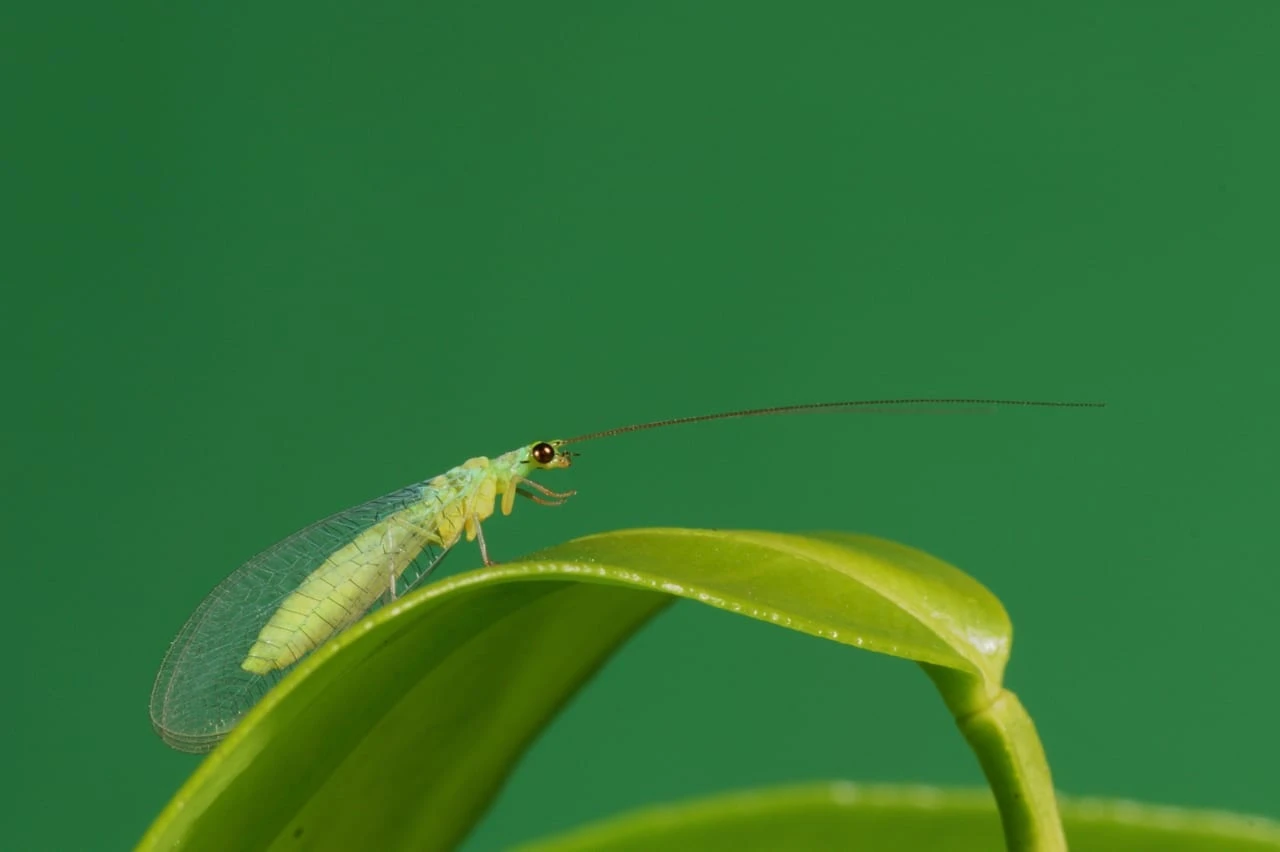
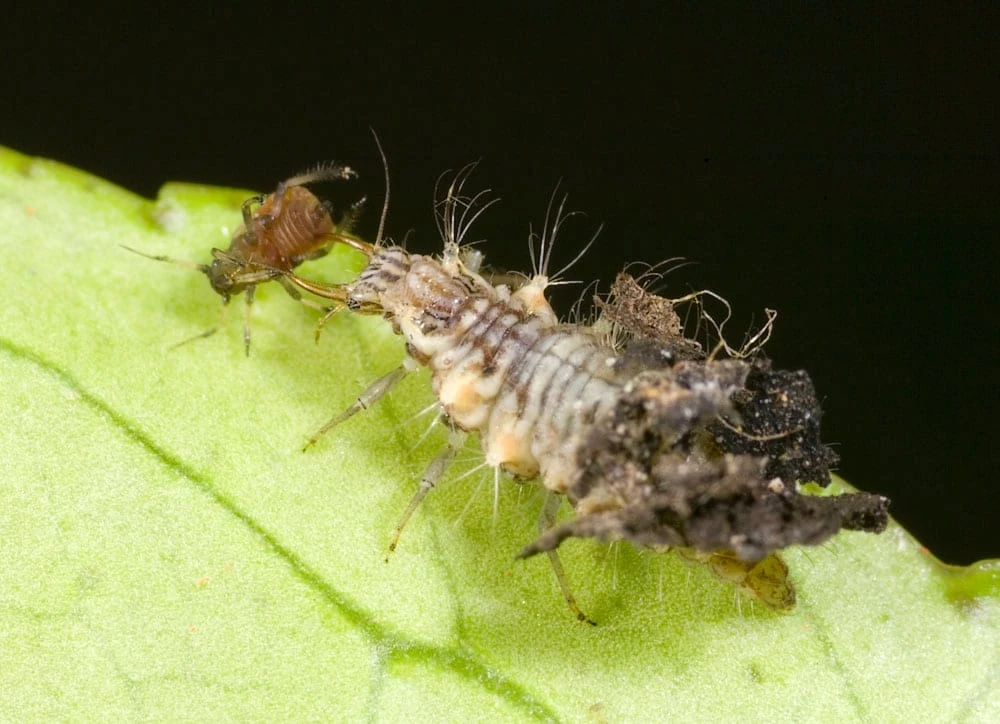
Green Lacewings are one of nature’s most effective beneficial insects. Their tiny larvae, often called “Aphid Lions,” actively hunt soft-bodied pests, providing natural biological control while protecting pollinators and other beneficial insects.
Each egg hatches into a hungry predator capable of consuming hundreds of damaging pests during its larval stage. Rather than killing everything like broad-spectrum insecticides, lacewings selectively target harmful insects while allowing your garden ecosystem to remain balanced.
Whether you’re growing vegetables, managing roses, producing berries or maintaining ornamental plants, Green Lacewings provide an environmentally responsible solution that works with nature instead of against it.
At EcoBiom, we believe healthier plants start with healthier ecosystems.
What is it?
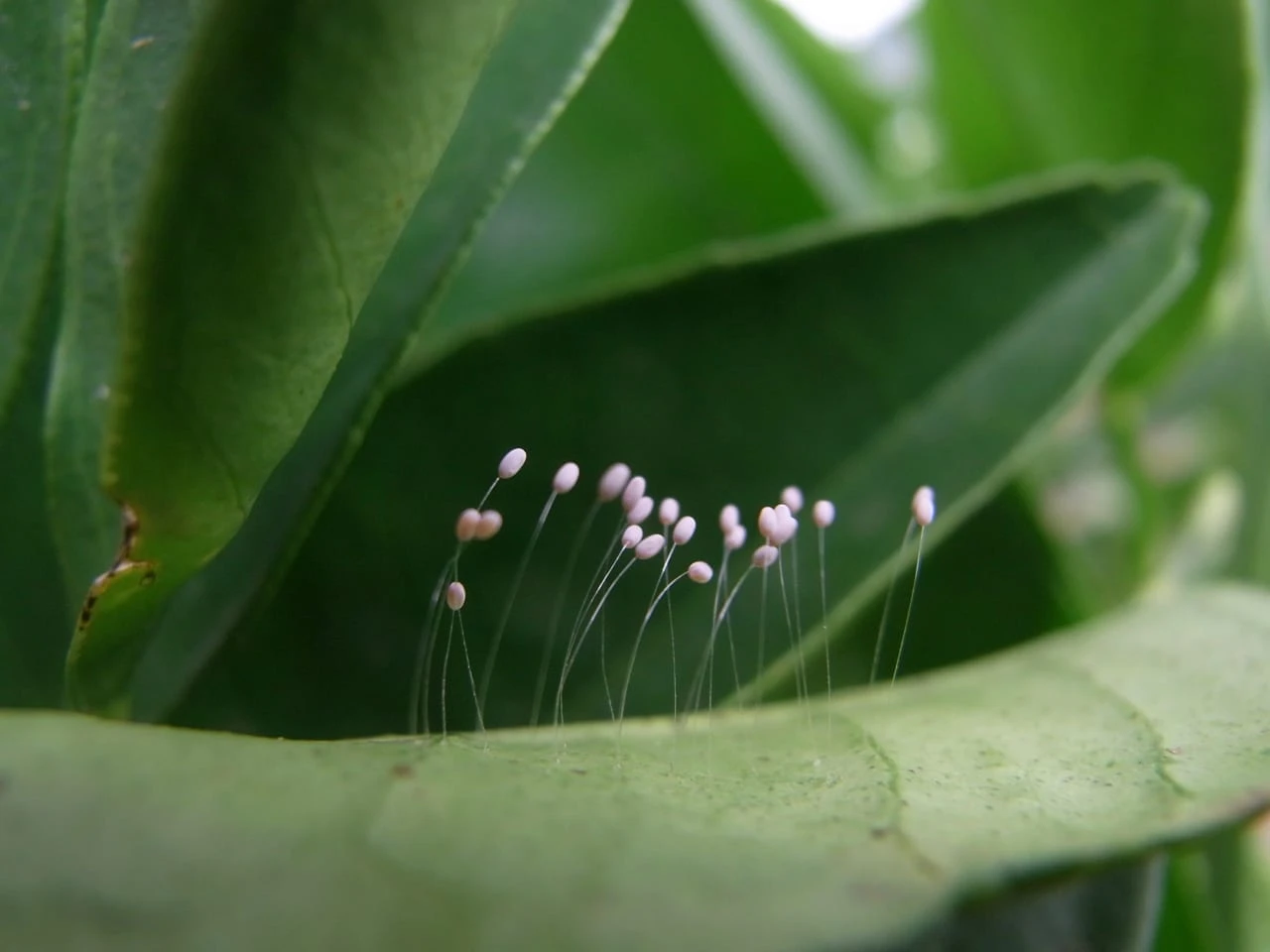
Green Lacewing eggs contain beneficial insects (Chrysoperla species) that hatch into larvae which naturally feed on many common plant pests.
Why Use It?
Instead of spraying chemicals that may harm beneficial insects, pollinators and the environment, Green Lacewings naturally reduce pest populations.
Benefits include:
- Lower chemical use
- Long-lasting biological control
- Safe around pollinators
- Compatible with Integrated Pest Management (IPM)
- No chemical residues on produce
Who It’s For
Suitable for:
- Home gardeners
- Vegetable growers
- Rose growers
- Citrus growers
- Berry growers
- Greenhouse producers
- Nursery operators
- Organic farms
- Commercial horticulture
- Landscape professionals
Key Benefits
✅ Controls aphids naturally
✅ Feeds on whitefly eggs and young nymphs
✅ Predates thrips larvae
✅ Attacks mealybugs
✅ Controls scale crawlers
✅ Feeds on spider mites
✅ Targets small caterpillars
✅ Safe for bees
✅ Safe for pets
✅ No withholding period
✅ No pesticide resistance
✅ Supports sustainable agriculture
How It Works
Step 1
Eggs are placed onto plants.
↓
Step 2
Eggs hatch within several days (depending on temperature).
↓
Step 3
Young lacewing larvae begin searching for prey.
↓
Step 4
Larvae consume hundreds of soft-bodied pests over 2–3 weeks.
↓
Step 5
Larvae pupate and develop into adult lacewings.
↓
Step 6
Adults continue the lifecycle and help establish beneficial insect populations.
How to Use
- Inspect plants for early pest activity.
- Release eggs as soon as pests are detected.
- Attach egg cards or distribute eggs throughout affected plants.
- Avoid spraying insecticides before or after release.
- Repeat releases if pest pressure remains high.
Best released during cooler parts of the day.
Specifications
| Feature |
Details |
| Product Type |
Beneficial insect eggs |
| Species |
Green Lacewing (Chrysoperla spp.) |
| Target Pests |
Aphids, whiteflies, thrips, mites, mealybugs, scale crawlers |
| Suitable Crops |
Vegetables, roses, citrus, berries, ornamentals, herbs |
| Application |
Biological control |
| Chemical Residue |
None |
| Organic Compatible |
Yes (where permitted) |
| IPM Compatible |
Excellent |
Guaranteed Analysis
Active Biological Ingredient
- Live Green Lacewing Eggs (Chrysoperla spp.)
Each egg develops into a predatory larva capable of consuming large numbers of soft-bodied insect pests during its feeding stage.
No synthetic pesticides.
No chemical additives.
Comparison Table
| Feature |
EcoBiom Green Lacewing |
Conventional Insecticides |
| Natural predator |
✅ |
❌ |
| Chemical-free |
✅ |
❌ |
| Safe for bees |
✅ |
❌ Often harmful |
| Safe for beneficial insects |
✅ |
❌ |
| Residue-free produce |
✅ |
❌ |
| Resistance development |
Very low |
High |
| Works with IPM |
Excellent |
Limited |
| Environmental impact |
Low |
Moderate–High |
| Repeat spraying required |
Lower |
Often frequent |
Scientific Information
Numerous international studies have shown Green Lacewing larvae are highly effective predators of:
- Aphids
- Whiteflies
- Thrips
- Spider mites
- Mealybugs
- Small caterpillars
Individual larvae may consume 200–600 aphids during development depending on prey availability and environmental conditions.
Early releases provide significantly better pest suppression than waiting until infestations become severe.
Performance depends on crop, climate, prey availability and release timing.
Nature’s Pest Control Cycle
🥚 Egg
↓
🪱 Larva (Aphid Lion)
↓
🐞 Hunts pests
↓
🌱 Healthy plants
↓
🦋 Adult Lacewing
↓
🥚 New generation
Before vs After
| Before |
After |
| Heavy aphid infestation |
Healthy balanced plants |
| Frequent spraying |
Reduced chemical use |
| Beneficial insects reduced |
Beneficial insects thrive |
| Pest outbreaks |
Natural biological control |
Application Rate Guide
| Crop |
Preventative |
Curative |
| Roses |
5–10 eggs/plant |
10–20 eggs/plant |
| Vegetables |
5–10 eggs/m² |
10–20 eggs/m² |
| Herbs |
5 eggs/m² |
10 eggs/m² |
| Strawberries |
5–10 eggs/m² |
10–20 eggs/m² |
| Citrus |
20–50 eggs/tree |
50–100 eggs/tree |
| Ornamentals |
5–10 eggs/plant |
10–20 eggs/plant |
| Greenhouses |
According to pest pressure |
Repeat weekly if required |
Application rates may vary depending on pest density and crop canopy.
Why Choose EcoBiom?
At EcoBiom, we believe biological solutions are the future of sustainable horticulture.
Our mission is:
Transform Horticulture & Agriculture, home gardens through biological and sustainable solutions that reduce chemical dependence and improve profitability.
We carefully source premium biological control products that work naturally with the environment, helping growers achieve healthier plants while protecting beneficial insects and reducing pesticide reliance.
FAQs
What pests do Green Lacewings control?
They naturally feed on aphids, whiteflies, thrips, spider mites, mealybugs, scale crawlers and other soft-bodied pests.
Are Green Lacewings safe for bees?
Yes. They are considered safe for bees and other pollinators.
When should I release Green Lacewings?
Release them at the first sign of pest activity for the best results.
Can I use them with other beneficial insects?
Yes. They work well as part of an Integrated Pest Management (IPM) program.
Can I spray pesticides after releasing them?
Avoid broad-spectrum insecticides, as these can kill the lacewing larvae.
Are they suitable for organic gardening?
Yes, they are widely used in organic and sustainable production systems where permitted.
How long do the eggs take to hatch?
Typically within a few days depending on environmental conditions.
How many pests can one larva eat?
A single larva may consume hundreds of aphids and other soft-bodied pests during its development.
Do they leave chemical residues?
No. They are a completely biological control solution.
Can they be used in greenhouses?
Yes. They are widely used in greenhouse vegetable and ornamental production.


Reviews
There are no reviews yet.